
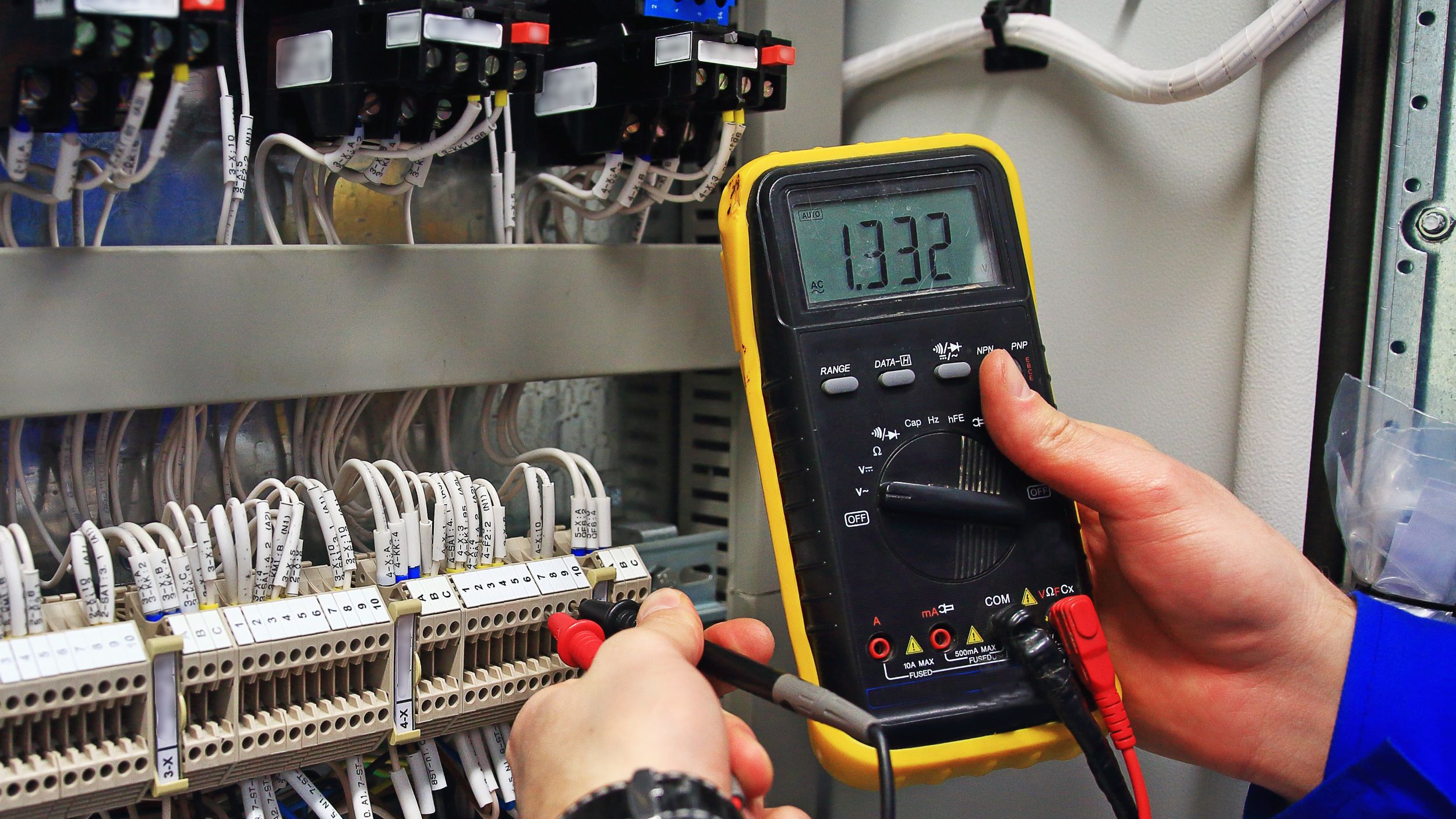
Marine Electrics Essentials for Boat Owners, Skippers & Yachtmasters
Learn how onboard DC electrical systems work, how to diagnose common faults, and how to keep essential boat systems running safely and reliably — ideal for recreational boat owners, liveaboards, professional skippers, and Yachtmaster candidates.
Elearning
- A$195.00 incl. GST
Description
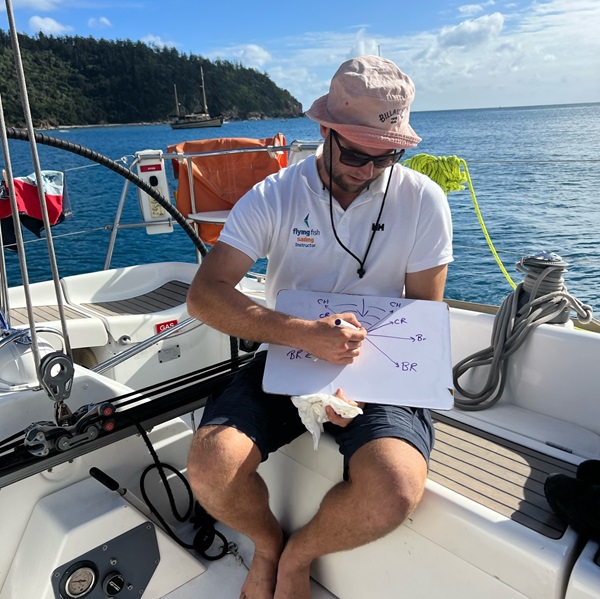 Modern boats rely on electrical systems for safety, navigation, communication, and engine starting. From lights and pumps to GPS, VHF, and batteries — when something fails, you need to know how your system works.
This self-paced online course gives you a clear, practical understanding of marine DC electrical systems, so you can diagnose faults, follow wiring, and make confident decisions onboard.
It’s designed for boat owners, cruising sailors, professional skippers, and Yachtmaster candidates — anyone responsible for keeping a vessel safe and operational.
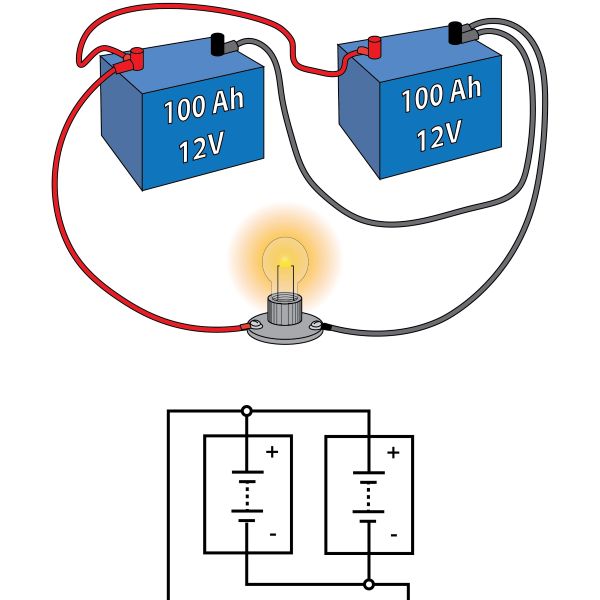 By the end of the course, you will be able to:
- Understand how onboard DC electrical systems work in practice
- Read and create simple wiring diagrams
- Diagnose and fix common electrical faults
- Install and maintain basic electrical components with confidence
This course focuses on practical electrics — wiring, batteries, circuits, and power systems — not theory-heavy electronics, networking, or software.
It focuses specifically on DC systems, which form the foundation of most recreational vessels. AC systems are more advanced and outside the scope of this course.
You can complete the course without access to a boat or tools, although applying the knowledge in real-world situations will build confidence further.
For a full breakdown of modules, course structure, and common questions, see the FAQ section below.
What's included
- Structured online modules focused on real-world onboard scenarios
- Clear, practical explanations that build confidence step by step
- Knowledge checks to reinforce key concepts as you progress
- Final assessment with certificate on successful completion
- Practical fault-finding and wiring skills you can apply onboard immediately
- Self-paced access — start anytime and fit learning around work, travel, or cruising
Before you start
This course is suitable for:
- Boat owners wanting more confidence managing onboard electrical systems
- Cruising sailors and liveaboards maintaining their own vessels
- Professional skippers and crew responsible for safe vessel operation
- Yachtmaster candidates building stronger technical knowledge
- Anyone looking to confidently diagnose and manage marine DC systems
No prior electrical experience is required.
A notebook and pen are recommended for sketches and notes as you work through the course.
If you have access to basic tools — especially a Digital Multimeter (DMM), wire stripper, and crimper — you’ll gain even more from the practical elements, but they are not required to complete the course.
What next?
- Progress to RYA Coastal Skipper / Yachtmaster Offshore Theory to build navigation and passage planning skills
- Combine with practical sailing courses to apply your technical knowledge on the water
- Continue developing skipper-level confidence across systems, safety, and seamanship
Faq
- What will I learn in this course?
- Module 1: Basic electrical principles – Understand voltage, current, resistance, and how electricity behaves in a simple onboard circuit.
- Module 2: Marine DC systems onboard – Learn how DC systems are structured, including key components and how they connect.
- Module 3: Circuit diagrams and wiring schematics – Read and create simple wiring diagrams using standard symbols.
- Module 4: Batteries and power supply – Understand battery types, charging, storage, and onboard power management.
- Module 5: Connections, wiring, and installation – Choose the right wiring, make safe connections, and install basic components.
- Module 6: Fault diagnosis and troubleshooting – Identify common marine electrical faults using a clear, logical process.
- Module 7: Practical tools and onboard checks – Use a Digital Multimeter (DMM) and carry out essential electrical checks with confidence.
- Module 8: Final exam – Complete the end-of-course assessment with an 80% pass mark. Up to three attempts are included.
- Do I need prior electrical knowledge?
- No — this course starts from the basics and builds your confidence step by step.
- It’s designed for complete beginners as well as those who want to strengthen and formalise their existing knowledge.
- How long does the course take?
- The course takes approximately 6–8 hours to complete in total.
- You can complete it entirely at your own pace — in one sitting or spread over multiple sessions to fit around your schedule.
- Is this relevant for Yachtmaster?
- Yes — it directly supports the technical knowledge needed for Yachtmaster progression.
- It’s especially useful for understanding onboard systems and approaching faults with more confidence.
- Will this help me avoid costly mistakes onboard?
- Yes — you’ll learn how to spot issues early, avoid common wiring mistakes, and maintain your system more effectively.
- This can save time, money, and unnecessary stress when problems arise onboard.
- Can I apply this on my own boat?
- Yes — everything you learn is designed for real-world onboard use.
- You’ll come away with practical skills you can apply immediately on your own vessel.