- +61 2 9969 8590
- help@flyingfishsailing.com.au
- Mon - Sun 9:00 - 1700

The global yachting industry is expanding rapidly, creating strong demand for well-trained, professional crew.
For those drawn to the sea, travel, and adventure, a career in yachting offers more than just a job — it’s a lifestyle with real progression, global opportunities, and the potential to earn a strong income while exploring the world.
From superyachts in the Mediterranean to charter fleets in the Caribbean and Australia, there are pathways into the industry for those with the right training and mindset.
👉 Start with the right qualifications and a clear pathway into your first role.


The captain’s role is to ensure the safety, performance, and smooth operation of the yacht — while delivering an exceptional experience for both crew and guests.
Great yacht captains combine:
They must also manage owner expectations, maintain schedules, and ensure the yacht is always presented to the highest standard.
As yachts increase in size and complexity, so do the responsibility, qualifications, and earning potential.
Mark Twain
The qualifications required for professional yacht crew depend on the vessel’s flag state — but internationally recognised certifications are essential.
Many commercial yachts operate under Red Ensign flag states, including the UK, Cayman Islands, BVI, and other British territories. These yachts are governed by the UK’s Maritime & Coastguard Agency (MCA), widely regarded as a global benchmark for safety and training standards.
The RYA Yachtmaster Offshore qualification is recognised as the leading pathway for:
In Australia, the AMSA Sailing Master certification also recognises the RYA Yachtmaster pathway for commercial sailing operations.
In practical terms, a commercially endorsed RYA/MCA Yachtmaster Offshore or Ocean qualification is one of the most important stepping stones to a successful career in yachting.
For those starting out, a structured training programme provides one of the fastest and most effective routes into the industry.


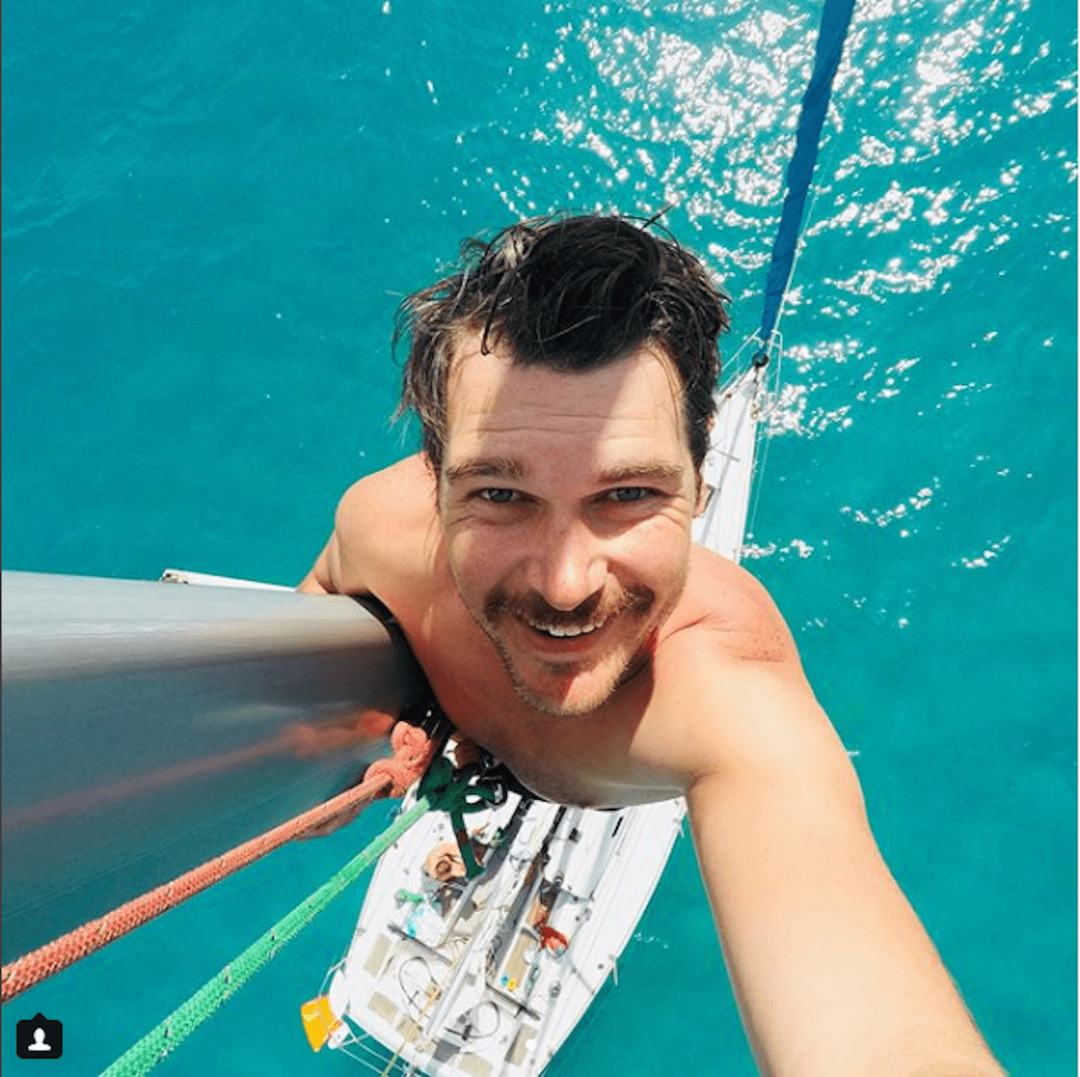
Flying Fish in Sydney welcomes around 100 new Yachtmaster students each year. Some go on to full-time careers in the yachting industry, while others are looking for a sea change, more freedom, and a better work-life balance.
The path you choose to navigate through the industry — all the way to the top of the mast — will depend on your age, experience, and long-term ambitions.
A typical career pathway may look like the following, but there are always many ways to Fly a Fish.
Year 1: Complete a Yachtmaster Offshore Fast Track course to gain essential qualifications, then begin building experience as a charter skipper, cruising instructor, or professional crew member.
Year 2: Continue developing your skills and sea time through instructing, charter work, or crew roles, refining your confidence, leadership, and decision-making.
Year 3: Consolidate your experience on larger yachts and longer passages, and consider progressing to RYA Yachtmaster Ocean or adding instructor qualifications to strengthen your CV.
Year 4 and beyond: Progress into more senior skippering roles, work on larger yachts, and continue towards advanced commercial qualifications such as MCA Master of Yachts 3000gt.
Wherever you want to go in the industry, the right training is the first step.
Superyachts are vessels over 24 metres in length, built to the highest standards with no expense spared. They are typically owned by high-net-worth individuals who expect exceptional presentation and service at all times.
Working on a superyacht is often described as a dream job. You can travel to some of the world’s most remote and desirable locations aboard a luxury yacht equipped with an array of onboard toys — including jet skis, tenders, diving equipment, and even helicopters or submarines.
You’ll meet people from around the world, gain valuable experience, and earn a tax-free salary with minimal living expenses.
However, it’s also a demanding career. Expect long hours, high standards, and extended periods away from home, particularly during busy charter seasons.
There are global opportunities across a wide range of roles, including captains, officers, engineers, chefs, stewards/ess, and deck crew.
Additional skills — such as jet ski operation, diving, watersports, or sailing instruction — are highly valued. Interior crew with skills such as yoga, fitness, or massage therapy are also in demand.
There are also shore-based roles within the industry, including management, recruitment, sales, and operations.
To give yourself the best possible start, Flying Fish offers industry-focused training designed to provide the qualifications needed to secure your first role and progress within the industry.
STCW Basic Safety Training is mandatory for all crew working on superyachts.
Interior crew should consider the STCW Superyacht Steward or Stewardess course, which provides essential entry-level qualifications.
Deck crew will typically require RYA Powerboat Level 2, a Marine Radio Operator’s Licence, and STCW certification. Additional qualifications such as RYA Day Skipper or Competent Crew are highly beneficial.
For those progressing into officer roles — including Captain, Mate, or Officer of the Watch — the pathway begins with RYA Yachtmaster Offshore or Ocean.
Many crew gain experience as deckhands before progressing, while others build sea time as instructors or charter skippers. With further certification, progression to Master of Yachts 3000gt opens the door to senior command roles.
Flying Fish offers a range of options for those working towards their Yachtmaster qualification.
Before starting, it’s advisable to prepare a professional CV and begin applying for roles and networking within the industry.
Superyacht crew are well paid, with salaries typically tax-free and living costs covered on board. Earnings increase with yacht size, experience, and qualifications, with additional income often earned through tips.
Typical industry earnings shown in GBP and AUD:
Roles, responsibilities, and earnings vary depending on the vessel, experience level, and position.
Working as a yachting instructor is a rewarding way to develop your skills and build experience as a professional skipper.
Instructors guide students through the fundamentals of cruising and seamanship, both on land and at sea. You act as a mentor and educator, helping sailors develop the confidence to navigate and handle yachts safely and competently.
At Flying Fish, we recommend the RYA Cruising Scheme. To teach within the scheme, you must hold a commercially endorsed RYA/MCA Yachtmaster Offshore qualification and be a qualified RYA Cruising Instructor. In Australia, you will also require AMSA Sailing Master certification.
To be effective in the role, you’ll need strong communication skills, patience, and a genuine passion for teaching. While prior coaching experience is helpful, the RYA provides structured training pathways for aspiring instructors.
Instructor salaries vary by location and experience. As a guide, full-time RYA instructors can expect around GBP 25,000–35,000 in the UK or AUD 60,000–85,000 in Australia.
Qualified RYA Cruising and Yachtmaster instructors are consistently in demand at sailing schools worldwide.
Flotilla holidays involve groups of yachts — typically up to 15 — sailing together along planned routes, supported by a lead boat with professional crew.
Flotilla staff are responsible for ensuring guests have a safe and enjoyable sailing holiday, combining seamanship with customer service. Most flotilla operations run seasonally in the Mediterranean and Caribbean.
This is a rewarding pathway for those who enjoy both sailing and working with people. Entry typically requires RYA qualifications such as Day Skipper or Yachtmaster, along with practical experience and strong interpersonal skills.
Pay varies depending on experience and role, with entry-level positions typically starting at around €1,500–€2,500 per month, plus potential tips and bonuses.
Typical flotilla roles include:
This pathway is often a natural progression after gaining a Yachtmaster qualification and building initial sea time.
Working as a charter skipper or crew member is another pathway into the global yachting industry, delivering luxury sailing experiences for clients in destinations worldwide.
Charter skippers are responsible for the safe and enjoyable experience of guests on board. This includes navigation, crew management, and overseeing all aspects of the charter — from safety and operations to guest satisfaction.
The role also involves planning itineraries, provisioning, and ensuring the yacht is maintained and compliant with operational requirements.
To work as a charter skipper, you will typically need an RYA Yachtmaster Offshore qualification (or equivalent), along with strong experience in seamanship, navigation, safety, and customer service.
Pay can be attractive, with crew earning approximately €4,000–€7,000 per month, and higher salaries for experienced skippers. Tips and bonuses can significantly increase overall earnings.
Charter crews usually work as a small team — often a skipper, mate, and hostess — and are expected to deliver a high standard of service at all times.
Opportunities are available in Australia, the Mediterranean, and the Caribbean, particularly during peak seasonal periods.
This pathway is a natural progression after gaining a Yachtmaster qualification and building practical experience.
Yacht delivery is a specialised part of the industry, offering opportunities for experienced sailors to move vessels between locations for owners, charter companies, and race campaigns.
Deliveries may include returning yachts after events such as the Sydney to Hobart or the ARC, or repositioning vessels between regions — for example from Europe to the Caribbean for the winter season.
This pathway requires strong seamanship, navigation skills, and practical experience, along with the ability to operate safely in offshore and often challenging conditions.
The qualifications required will depend on the type and length of the passage. As a minimum, it is recommended that skippers hold the RYA Yachtmaster Offshore Certificate of Competence, along with experience on similar vessels.
For longer passages and transocean deliveries, the RYA Yachtmaster Ocean qualification is strongly recommended. Higher qualifications and experience significantly improve your opportunities.
Pay varies depending on the delivery, vessel, and duration. Experienced skippers typically earn around €300–€600 per day, plus expenses and travel costs. Crew rates are lower and, in many cases, entry-level positions are unpaid but provide valuable sea time and experience.
Delivery work is a practical way to build miles, develop offshore experience, and progress toward more advanced roles within the industry.
Sail training vessels are typically larger yachts designed to take a wide range of trainees to sea, including young people, disabled participants, and those seeking personal development through sailing.
The focus is on adventure and personal development, with vessels ranging from 30-foot yachts to 180-foot square riggers. Opportunities are available on a short-term, seasonal, and full-time basis.
The UK operates one of the largest sail training fleets in the world and is a popular place to build experience. In Sydney Harbour, Sydney Tall Ships runs a well-known heritage fleet of square-rigged vessels.
Crew are typically a mix of full-time, temporary, and volunteer staff, with roles including skipper, mate, and bosun, and sometimes cooks and engineers depending on the vessel.
Due to the nature of the trainees on board, many organisations prefer candidates with prior sail training or relevant experience, particularly for senior roles.
There are paid positions for those holding RYA Coastal Skipper and above. Coastal Skippers often work as mates, while skippers are typically required to hold an RYA Yachtmaster Offshore Certificate of Competence or higher.
On larger vessels, additional qualifications may be required, including Yachtmaster Offshore or commercial certifications such as OOW (Yachts), Chief Mate, or Master, depending on the vessel and role.
Working as a professional yacht race skipper is a specialised pathway within the industry, suited to those with a passion for racing and high-performance sailing.
For sailors with a background in dinghy or keelboat racing — whether competitively or through clubs, family, or friends — it can be a highly rewarding and challenging career option.
Flying Fish has a long history in offshore racing, including over 20 Sydney to Hobart race campaigns, as well as participation in events such as the Fastnet Race, Cowes Week, and Hamilton Island Race Week.
Many of our students and instructors have progressed from Yachtmaster training into offshore racing, with several going on to compete in the Clipper Round the World Yacht Race. As of 2026, two former Flying Fish sailors are leading the Clipper Round the World race — something we’re incredibly proud of.
This pathway typically begins with strong foundational training, followed by offshore experience and race miles. Yachtmaster training is a key step in developing the skills and confidence required.
While not for everyone, for those drawn to performance sailing and offshore racing, it offers a unique and exciting career direction within the yachting world.
If this pathway interests you, get in touch with Flying Fish to discuss your options.
Set sail with Flying Fish, pioneers in sailing and Yachtmaster education.
Looking to join a team that offers more than just a job? At Flying Fish, we combine an innovative approach to training with over 30 years of experience across the UK and Australia.
Our instructors play a key role in shaping confident, capable sailors, developing skills in seamanship, leadership, and communication. Many of our team have progressed from junior instructors to superyacht captains, offshore race leaders, and Sydney to Hobart skippers.
We are always looking for passionate RYA-qualified instructors across yacht cruising, dinghy sailing, windsurfing, and powerboating. Opportunities range from flexible part-time roles to full-time positions.
Flying Fish is more than a workplace — it’s a community. We welcome individuals from all backgrounds who bring a passion for the water, a sense of responsibility, and the ability to connect with others.
If you’re an experienced watesports instructor looking to progress, our Professional Yachtmaster/Cruising Instructor Internship offers a structured pathway to develop your skills and expand your career opportunities.
Join us and start your next chapter with Flying Fish.